
The 2025 2026 avalanche season in France was marked by an unstable snow-pack structure that led to a sharp rise in fatal accidents across the Alps. 34 people have now died in avalanches since October 2025, including two additional fatal incidents in May in Chamonix and the Écrins massif, both occurring during level 2 avalanche risk conditions. In the period 2014-2024 the average was just over 24 deaths but there is a great deal of variability between seasons, largely dependent on snow-pack. In 2014-2015 - 45 deaths, in 2017 there were 38 deaths and 2020-21, during Covid with a rise in Ski Touring, 40 deaths.
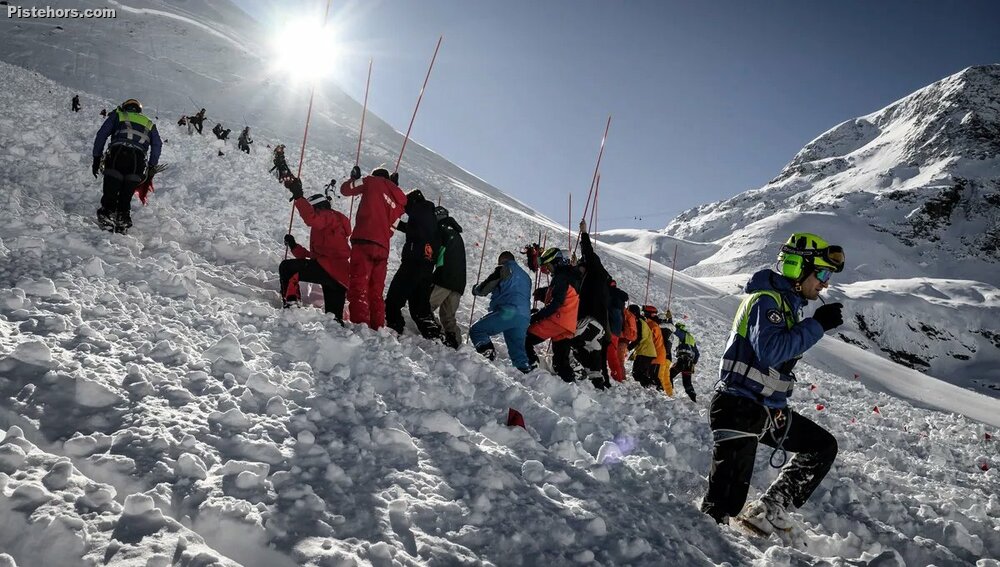
Most of the fatal accidents occurred in the Northern Alps, particularly in the departments of the Savoie, Haute Savoie but also the Hautes-Alpes. This is inline with the long term averages. Avalanche specialists say the season was dominated by a persistent weak layer that formed during a cold and dry period in November before being buried by heavy snowfall and wind during January and February. This combination created deep and unpredictable instabilities capable of producing very large avalanches long after storms had passed.
The Savoie recorded the highest number of fatalities, with major accidents in Val d'Isère, Valloire, Tignes, Courchevel, Beaufort and Saint Colomban des Villards. Haute Savoie also saw several deadly incidents including La Chapelle d'Abondance, Vallorcine and the fatal avalanche in Chamonix on 9 May.
Off piste skiing accounted for the largest share of fatalities this winter. The long term trend is for ski touring to be in the slight majority of deaths. Avalanche experts observed an increase in opportunistic off piste skiing inside ski resort boundaries, where skiers left marked runs without avalanche safety equipment or planning. Ski touring also remained heavily affected, particularly during periods of elevated avalanche danger in January and February.
The majority of fatal accidents occurred during level 3 and level 4 conditions. However, several deadly avalanches also happened during level 2 danger ratings, highlighting the challenges posed by persistent weak layers. In these situations, avalanches become less frequent but can still be very large and destructive if triggered in isolated terrain features such as shallow snowpack areas or wind affected slopes.
The figures also show that most incidents involved a single victim:
The deadliest single accident of the season occurred on 13 February in Val d'Isère, where three off piste skiers were killed during a level 4 avalanche danger period. Other serious incidents included two fatalities in La Grave on 17 February and two deaths in La Chapelle d'Abondance on 22 February.
One of the striking aspects is the profile of the victims. Contrary to the common perception that avalanche fatalities mainly involve inexperienced tourists, many of this winter’s victims were experienced mountain users with strong local knowledge and technical ability.
A large proportion of the fatalities involved experienced off piste skiers and ski tourers. Several accidents affected members of alpine clubs, regular backcountry skiers and people familiar with the terrain. The winter snowpack was particularly deceptive because the persistent weak layer often remained hidden beneath deep and apparently stable snow.
Avalanche specialists noted that many slopes appeared safe for long periods before suddenly producing very large avalanches when overloaded at isolated trigger points such as ridgelines, shallow snowpack zones or wind affected terrain.
The season also included fatalities among mountain professionals. According to reports, one victim was an experienced ski patroller and several accidents involved professional mountain guides and their clients.
The death of Sébastien Ibanez on 8 May in the Écrins massif highlighted this trend. Ibanez, a 44 year old mountain guide attached to the Chambéry Guides Office, was also a university researcher specializing in alpine ecosystems and biodiversity. He was widely respected in both the mountaineering and scientific communities.
Many victims were local residents of Alpine regions rather than visiting tourists. Several fatal accidents involved skiers from the French Alps who regularly practiced ski touring or off piste skiing in their home mountains.
For example, two fatalities earlier in the season involved members of local French Alpine Club groups. The accidents reflected how widespread and unpredictable the snow instability had become across the Alps during the winter.
Avalanche forecasters describe the season as a classic persistent weak layer winter. Cold and clear weather in November created unstable faceted snow crystals deep within the snowpack. Heavy snowfall and strong winds during January and February then overloaded these buried weak layers.
France also experienced one of its warmest and wettest winters on record. February 2026 was both the wettest February since 1959 and the second warmest since 1900. Snow depths exceeded three metres above 2000 metres in several Alpine regions.
Although the snowpack gradually stabilised during March and April with spring melt freeze cycles, forecasters warned that isolated deep slab avalanches remained possible in high altitude terrain. The fatal accidents in the Écrins on 8 May and in Chamonix on 9 May both occurred during moderate level 2 avalanche conditions.
The increase in avalanche fatalities was not limited to France. According to data from the European Avalanche Warning Services, 146 people died in avalanches across Europe during the winter, compared with 70 the previous season.
Italy recorded the sharpest increase, rising from 11 avalanche deaths the previous winter to 40 during the 2025 2026 season.