It was a beautiful sunny day in Les Arcs. Patricia and her husband Ralph, regular visitors to the resort, were enjoying the kind of conditions skiers dream about: clear skies, crisp air and perfectly groomed pistes. They took their time, stopping now and then to admire the sweeping alpine views. Ralph, 57, carved easy turns down a gentle blue run, while Patricia followed, relaxed and smiling.
Then, without warning, he collapsed in front of her.
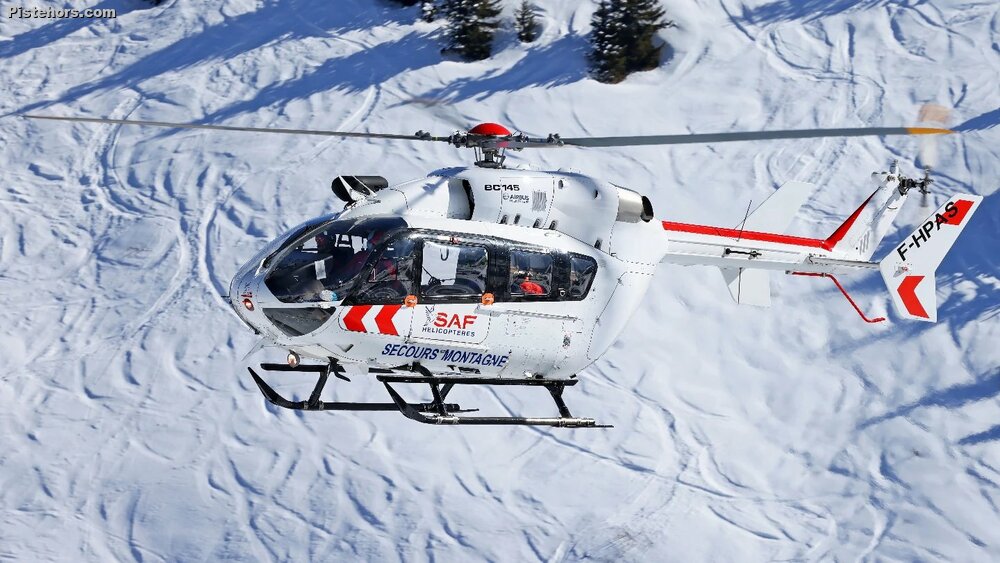
Skiers rushed over. Someone called the piste rescue services, another began first aid. Within minutes, the ski patrol arrived. Shortly afterwards, a helicopter landed carrying a doctor. Cardiac massage, adrenaline and a defibrillator, they managed to restore a pulse and Ralph was loaded into the helicopter and airlifted to hospital, around thirty minutes away by air.
He never made it. He died en route, the victim of a massive heart attack.
In the days that followed, Patricia faced the unbearable: the sudden loss of her husband and the future they had planned together. Then another shock arrived. A bill, close to €10,000, for the rescue operation.
They had always paid for their holidays using their Visa card. Like many skiers, they believed they were covered. French banks and consumer advice articles frequently highlight the insurance benefits attached to both classic and premium cards, especially for winter sports. It seemed reasonable to assume that in a situation like this, help would extend beyond the slopes.
But a little-known clause had caught them out.
In French ski resorts such as Les Arcs, rescue services are not free. Local authorities are entitled to charge for interventions carried out within the ski area. What is less widely understood is just how broad that scope is. The rules apply not only to alpine skiers on marked pistes, but to anyone using the resort domain. Ski tourers climbing designated routes, snowboarders, snowshoers, and even pedestrians can all fall within the same framework. If they require evacuation, the cost can be billed.
The trigger is not the type of activity, nor even the presence of an accident. It is simply the need for assistance and evacuation involving the piste services and their partner SAF helicopters. In Patricia’s case, the response was entirely appropriate. Faced with a suspected cardiac arrest, the rescue services deployed the fastest and most effective means available. That meant a helicopter, a doctor on board, and rapid transport to hospital. In emergency medicine, time is critical, and hesitation can cost lives.
But helicopters are expensive. In many French resorts, they are billed by the minute, nearly 7000 euros per hour at les Arcs. By the time dispatch, on-site treatment and transfer to hospital are taken into account, the total can quickly reach thousands of euros. A figure approaching €10,000 is not unusual.
The real problem, however, lies not in the cost itself, but in what happens next.
When Patricia contacted the insurance linked to their bank card, she discovered that the situation did not meet the conditions required for reimbursement. Like many such policies, it relied on a strict definition of an “accident” as something sudden, external and involuntary. A heart attack, despite its severity and unpredictability, does not fall into that category. It is considered a medical event, not an accident.
As a result, while the rescue services had responded without hesitation, the insurance refused to cover the cost.
This reveals a fundamental mismatch. The rescue system is designed to respond to any emergency, regardless of its cause. Insurance, on the other hand, is built around specific definitions and exclusions. Everything depends on how the event is classified. The consequence is a paradox that few people anticipate. One can imagine that medical events are specifically excluded because they will often result in an expensive helicopter ride to hospital whereas a broken leg will probably be a stretcher trip to an ambulance waiting in resort.
A skier who breaks a leg in a fall will usually be covered. Someone who suffers a cardiac arrest may not be. More surprisingly still, a person who is simply too exhausted to continue can be rescued, billed, and left entirely without cover. The less the situation resembles a classic “accident”, the greater the financial exposure can become. The dichotomy is that if this even had occurred in the street the cost would probably have been born by the state.
There is also a widespread misconception that such risks are confined to extreme skiing. Off-piste descents, steep couloirs or avalanche terrain are often seen as the situations where things go wrong and involve costly search and rescue. Yet Patricia’s story took place on a blue piste, in a controlled resort environment, during an ordinary day’s skiing.
The danger, in this case, was not technical or environmental. It was logistical. Once a helicopter is involved, the financial dimension changes completely. What begins as a routine emergency response can become a five-figure expense within minutes. Despite publishing a list of charges for resort rescue the costs are potentially unlimited and it is entirely up to the mayor and his delegate, the head of piste rescue, what means are used. Insurance policies can place limits on rescue cover, for Visa in France it is just €5000. Even if Ralph's accident had been covered they would still be €4,500 euros out of pocket. The fact that Ralph died means that the bill is levied on his estate.
Skiers from the United Kingdom often approach this differently. Dedicated travel insurance policies with winter sports extensions are more common, and these tend to include cover for medical emergencies as well as accidents. In most cases, a cardiac event on the slopes would be covered, along with the associated evacuation.
However, this protection is not universal. Policies frequently include limits on rescue costs, and not all travelers take out comprehensive cover. Budget insurance, or reliance on standard policies without proper winter sports extensions, can leave similar gaps. As in France, certain situations, particularly those involving fatigue, being blocked technically or inability to continue, may not be covered. The devil is in the small print and it is worth checking the policy notice carefully to see what, and what isn't, covered.
In France, a simple solution exists, though it is often overlooked. Carré Neige, offered as an add-on when purchasing a lift pass, is specifically designed to cover rescue costs within the ski area. For a few euros per day, it typically includes evacuation by piste patrol or helicopter, regardless of whether the cause is an accident or an illness and without limit to cost.
Its strength lies in its focus. While bank card insurance and travel policies concentrate on medical treatment and repatriation, Carré Neige covers the most immediate and often most expensive part of an incident: the rescue itself.
There is no doubt that the French system works where it matters most. Rescue services are fast, professional and effective. In critical situations, they deploy whatever resources are necessary without hesitation. That saves lives.
But it also creates a gap. The decision to rescue is based on need. The decision to reimburse is based on definitions. When those two do not align, the consequences can be significant.
Patricia’s story is not about risk-taking or poor judgement. It is about something far more ordinary. A day of skiing. A sudden medical emergency. And a bill that few would expect.
On the slopes, help will always come. But it comes with a cost.