As rescue helicopters crisscross the French Alps amid a spike in accidents this winter, a long-running debate has resurfaced: should mountain rescue in France remain free?
On February 11, the Cour des comptes (France’s Court of Auditors) presented a detailed report to the Senate examining how mountain rescue services are organized and funded. While praising the professionalism and rapid response of rescue teams, the Court warned that the current system is increasingly costly at a time when the French governments budget is out of control and it may no longer be financially sustainable without reform.
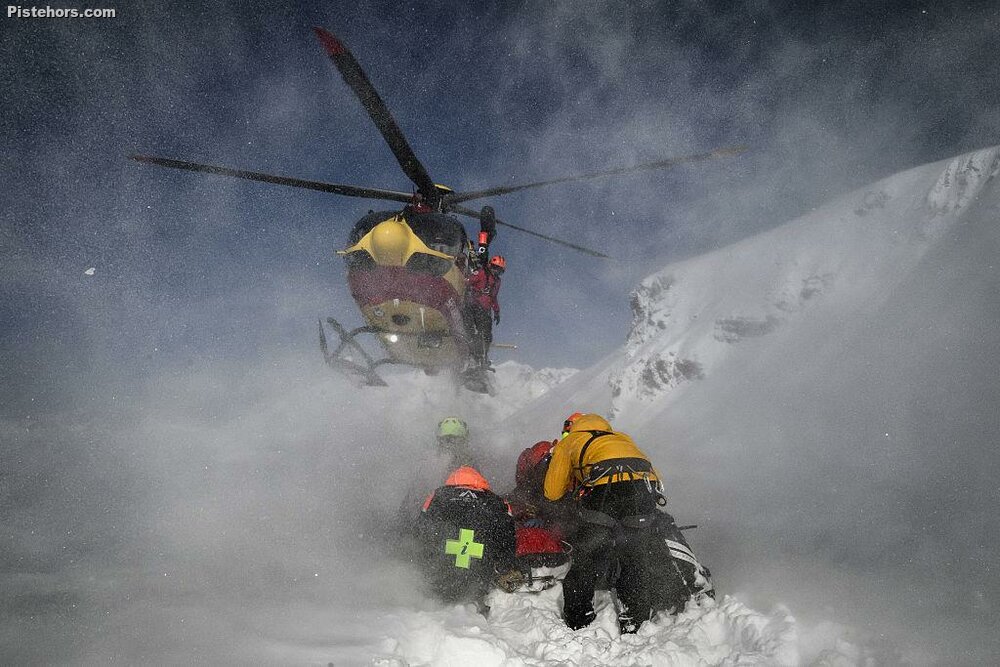
Nearly 10,000 Interventions in 2024
According to the report, almost 10,000 mountain rescue operations were recorded in 2024, an 18% increase compared with 2018. The Court attributes this rise to:
Each intervention now costs an average of €11,000, a figure that has risen sharply since 2012. Overall spending on mountain rescue has increased by 54.5% over the past decade. The largest driver of that increase is air support: helicopter-related costs alone have climbed by 141%.
Despite the financial pressure, the Court commended the operational effectiveness of French rescue units. In Savoie, for example, helicopters typically take off within six to seven minutes of an emergency call, a response time regarded as exemplary.
Free, but for how long?
In France, mountain rescue outside marked ski areas is currently free of charge for those rescued. This policy reflects a long-standing principle: emergency assistance is a public service funded collectively. But the Court now suggests that “total or partial billing” should be considered. Not primarily as a deterrent for reckless behavior, but as a response to mounting budget constraints.
The report notes that foreign examples show charging does not necessarily make practitioners more responsible. Still, it argues that maintaining the status quo is increasingly difficult to justify when each intervention costs more than €10,000.
How Other Countries Handle Mountain Rescue
France is something of an exception in Europe.
Prevention Before Punishment
The Court emphasizes prevention as the most effective way to reduce costs. It highlights the proven impact of safety measures such as mandatory ski helmets and calls for:
Increased funding for public awareness campaigns
Beyond billing, the Court identified structural inefficiencies in how mountain rescue is organized.
Rescue services are currently delivered by three separate specialist forces:
This structure involves more than 735 rescuers operating across 19 departments. The Court argues that maintaining three parallel services creates overlap and competition, leading to an oversized system. Some rescuers and emergency doctors reportedly carry out fewer than ten operations per year.
The Court had already recommended unifying these forces in a 2012 report a proposal it has now reiterated. A single, streamlined service could, it estimates, generate savings of around €10 million annually.
A Political Hot Potato
The prospect of charging for mountain rescue is politically delicate. Critics warn that it could discourage people from calling for help quickly, potentially increasing the severity of accidents. Others argue that those engaging in high-risk activities should contribute to the cost of their rescue.
For now, no immediate change has been announced. But with accident numbers climbing and public finances under strain, the debate appears far from over.
It should also be noted that the Winter Tyre legislation, part of the 2016 Loi Montagne, has still not been implemented. The law exists but there is currently no penalty. Politicians fear a backlash from voters. It is like that the courts recommendations will suffer the same fate.
https://www.ccomptes.fr/sites/default/files/2026-02/20260211-Secours-en-montagne.pdf